Stanford in the Vale
Community Website
The VillageDirectoryExtrasSite Info |

|
|||
 |
||||
|
This is a non-profit site. Content has been submitted by residents of the village. |
||||
The VillageDirectoryExtrasSite Info |
|
|||
|
||||
|
This is a non-profit site. Content has been submitted by residents of the village. |
||||
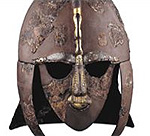 When the Roman Legions withdrew from Britain in AD 410, local leaders invited groups of Saxons to settle in the area as a counter force against invaders. However, these supposed protectors rebelled against the locals and instead undertook a period of invasion and settlement. From the 5th to the 6th century A.D., these invaders soon became settlers and farmers, and developed a farming system based on a manor and two or three open fields. The Anglo-Saxons were good water engineers, and knew how to grind corn with water mills; it was around the nucleus of the manor, mills, and, later, the church, that Saxon Stanford grew. The earliest archaeological evidence for Saxon Stanford was found during test pitting in the village, where 8th C Grass Tempered Ware pottery was found. However, this evidence does not necessarily suggest that the Roman settlement was abandoned at this time, as vessels made of perishable materials, which do not survive well in the archaeological record, could have been used instead of pottery.