An Outline History of Stanford in the Vale
|
 |
|
|
|
|
|
| |
|
|
|
|
|
|
| |
|
|
|
|
|
|
Prehistory
Stone Age
During the last Ice Age, the area we now know of as the Vale of the White Horse was a tundra environment which gradually developed into deciduous woodland as the ice sheets retreated (around 10,000 B.C.) and the climate grew warmer.
 The Upper Thames and its tributaries, which cross the Vale, provided a relatively easy route from east to west by boat
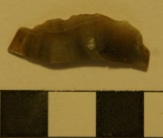
for the hunter gatherer population of the Mesolithic period (8,000 BC) in their search for food from the forests and rivers. Mesolithic flints (microliths) have been found at both Stanford and Hatford, and there is evidence of seasonal occupation related to hunting in this period all along the Corallian ridge. Gradually, in the Neolithic Period, about 4000 B.C., forest clearance and primitive settlements began to develop in the Vale with the introduction of farming.
The Upper Thames and its tributaries, which cross the Vale, provided a relatively easy route from east to west by boat
for the hunter gatherer population of the Mesolithic period (8,000 BC) in their search for food from the forests and rivers. Mesolithic flints (microliths) have been found at both Stanford and Hatford, and there is evidence of seasonal occupation related to hunting in this period all along the Corallian ridge. Gradually, in the Neolithic Period, about 4000 B.C., forest clearance and primitive settlements began to develop in the Vale with the introduction of farming.
Bronze Age
During the Bronze Age, the population grew and settlements expanded in the Vale. Within the local area, a Bronze Age spearhead was found in Hatford parish and other Bronze Age implements have been found elsewhere, at Childrey and Faringdon. Within Stanford, a series of worked flints, including scrapers, have been identified though little evidence has been found for settlement at this period. Within the Vale, settlement activity dating to the Bronze Age has been found at Abingdon and Frilford, as well as Rams Hill on the Ridgeway. Furthermore, large numbers of barrows dating to this period, including two identified on aerial photos at Stanford, have been found, as well as the Uffington White Horse being carved into the hillside in the late Bronze Age or early Iron Age.
Iron Age
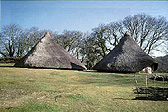 As tribal groups began to form in the 1st century B.C., evidence suggests that the Upper Thames became a frontier zone between the Dobunni to the west and the Catevellauni to the east. The Vale was crossed by pathways connecting settlements to tribal refuges and to the primary trade routes along the Ridgeway, to the South along the Berkshire Downs and to the North along the North Berkshire Ridge as well. This area was controlled by Bodioc, an Iron Age chieftain of the Dobunni, during the 1st century B.C. The site of Stanford in the Vale is surrounded by important hillforts: Segsbury Castle, Rams Hill, Uffington Castle, Badbury Hill, Onetree Hill (Fernham) and the multivallate camps of Hardwell and Cherbury. This suggests that the area must have been well populated, with tribal settlements engaged in stock farming, growing cereal and grinding corn with quern stones.
An early Iron Age settlement has been identified in Hatford parish from which pottery, glass beads, bone needles and weaving combs have been found. At present, there is little evidence within Stanford for Iron Age settlement activity. However, during recent geophysical work on Upper Green a large single vallate ditch was identified, which is thought to date to this period (excavation would be needed to confirm this). This ditch may form the boundary ditch of an Iron Age settlement under the present village.
|
